Bijapur Kidney Foundation is a center for various treatments related to Urological diseases & problems.
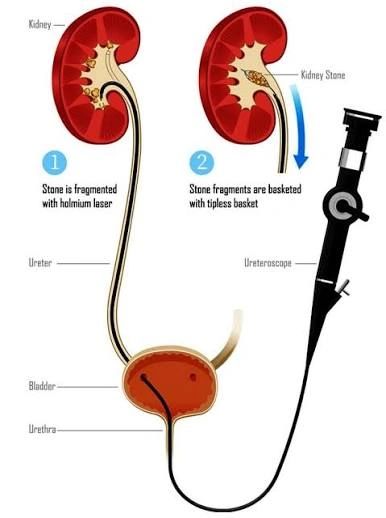
1 . Flexible Ureteroscopy(R.I.R.S)
Retrograde Intrarenal Surgery (RIRS) is a cutting-edge, minimally invasive procedure used to treat kidney stones. At Bijapur Kidney Foundation, we use a highly flexible, thin fiber-optic scope that travels through the natural urinary passage directly into the kidney—requiring no incisions or cuts.
- Precision Technology: A high-powered laser fragments stones into fine dust, even in the most difficult-to-reach areas of the kidney.
- Pain-Free Recovery: Because there are no surgical wounds, patients experience minimal discomfort and typically return home within 24 hours.
- Maximum Safety: RIRS is the ideal solution for complex stones, offering a faster, safer, and scar-free alternative to traditional surgery.
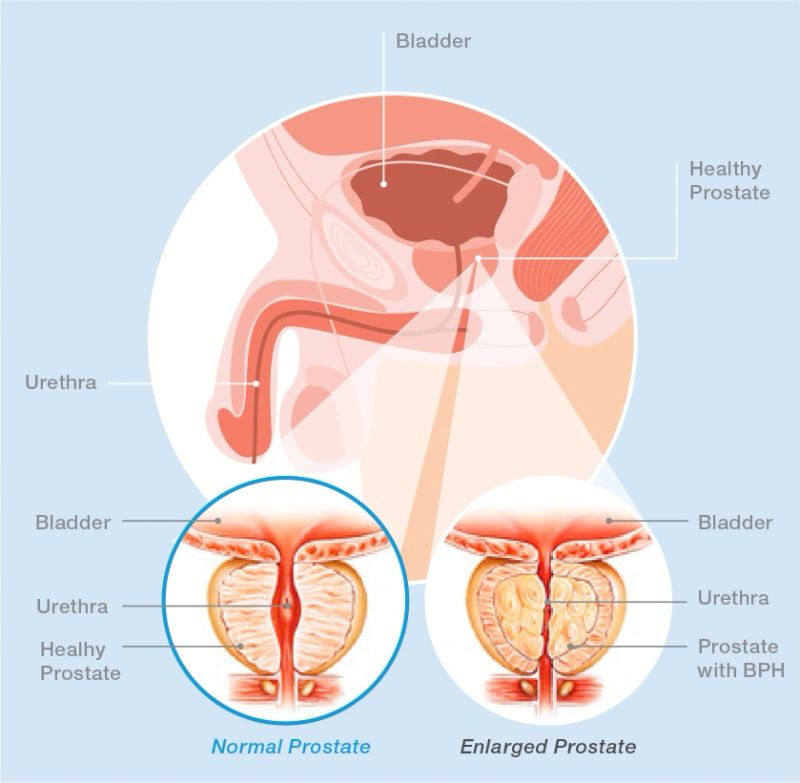
2 . Laser TURP
Laser TURP (Transurethral Resection of the Prostate) is the modern gold standard for treating an enlarged prostate (BPH). At Bijapur Kidney Foundation, we use high-precision laser technology to relieve urinary symptoms with greater safety and faster healing than traditional surgery.
The Advantages of Laser Technology- Minimal Blood Loss: The laser instantly seals blood vessels during the procedure, making it a safer choice for elderly patients or those on blood thinners.
- No External Cuts: The entire procedure is performed through the natural urinary passage, ensuring a completely scar-free outcome.
- Quick Recovery: Most patients benefit from a shorter hospital stay (often just 24 hours) and a faster return to daily life.
- Immediate Relief: Effectively clears the blockage to restore a strong, steady urinary flow and reduce nighttime bathroom visits.
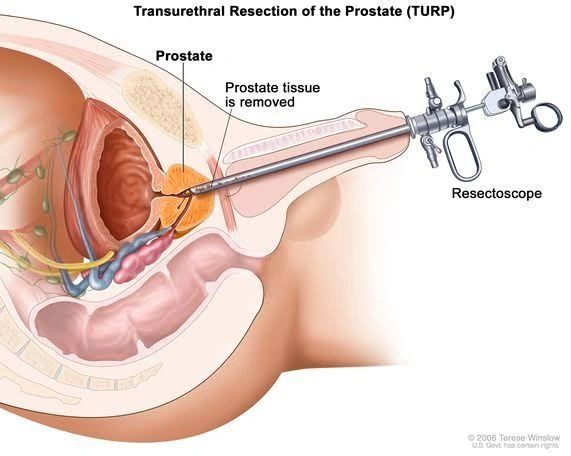
3 . Bipolar TURP
Bipolar TURP is the advanced evolution of the traditional "Gold Standard" treatment for an enlarged prostate (BPH). At Bijapur Kidney Foundation, we utilize this refined technology to provide a safer surgical experience, especially for high-risk patients or those with larger prostates.
The Bipolar Advantage
Unlike traditional (monopolar) TURP, which uses an electric current that passes through the patient's body, Bipolar TURP keeps the energy contained within the surgical instrument itself.
Enhanced Safety (Reduced TURIS Syndrome): By using normal saline instead of specialized fluids, this method virtually eliminates the risk of "TUR Syndrome"—a rare but serious electrolyte imbalance found in older surgical methods.
Superior Bleeding Control: The bipolar energy provides excellent coagulation, sealing blood vessels during the procedure to minimize blood loss.
Ideal for Complex Cases: This is often the preferred choice for patients with cardiac concerns, pacemakers, or those who require a longer surgical time for larger prostates.
Faster Healing: The precision of the bipolar loop results in less "thermal damage" to the surrounding healthy tissue, leading to a smoother recovery and faster removal of the catheter.
Effective Results: It provides the same excellent long-term results as traditional surgery, restoring a strong, steady urinary flow.
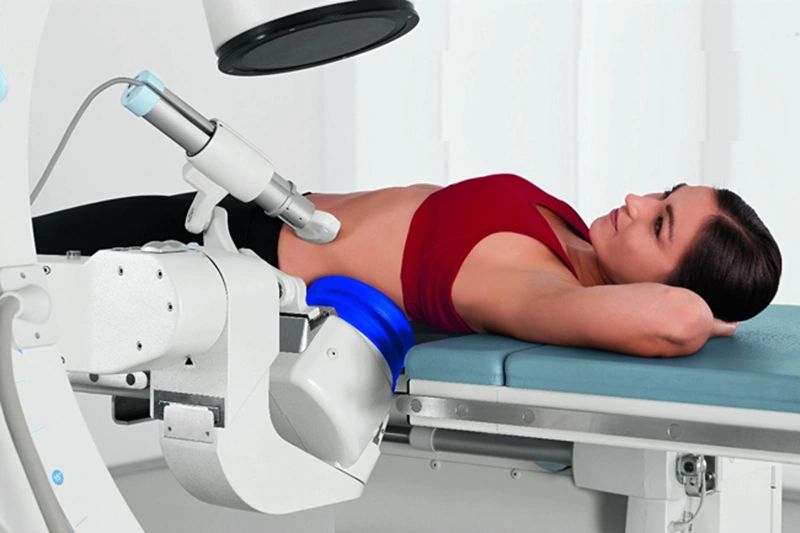
4 . ESWL for Renal stones
Experience tailored treatment Extracorporeal Shock Wave Lithotripsy (ESWL) is the most common non-invasive method for treating kidney stones. At Bijapur Kidney Foundation, we use this "touchless" technology to break down stones without a single incision or internal scope.
How ESWL WorksESWL uses high-energy acoustic pulses (shock waves) generated outside the body to target and crumble stones.
- Targeting: Using advanced X-ray or Ultrasound imaging, our specialists pinpoint the exact location of the stone.
- Fragmentation: Shock waves are focused directly on the stone, shattering it into tiny, sand-like particles.
- Natural Passage: These small fragments then pass out of the body naturally through the urine over the following days.
lans designed with your health and comfort in mind.
5 . Laproscopic Surgery
Experience safe and efAt Bijapur Kidney Foundation, we utilize Laparoscopic Surgery to provide high-end surgical solutions for complex urological conditions with minimal physical impact. Often referred to as "Keyhole Surgery," this technique replaces large traditional incisions with tiny, precise openings.
How It WorksInstead of a single large cut, our surgeons use a specialized camera (Laparoscope) and miniature high-precision instruments through 3–4 small ports (usually 5–10 mm). This provides a magnified, high-definition view of the internal organs, allowing for surgical accuracy that far exceeds the human eye alone.
The Patient Advantage- Minimal Scarring: The small "keyhole" incisions heal quickly and are barely visible after recovery.
- Reduced Pain: Smaller incisions mean significantly less post-operative discomfort and a reduced need for pain medication.
- Faster Hospital Discharge: Most patients return home much sooner than they would with open surgery, often within 24 to 48 hours.
- Lower Risk of Infection: Smaller wounds and less exposure of internal tissues significantly decrease the risk of complications.
We successfully employ laparoscopic techniques for a variety of procedures, including:
- Laparoscopic Nephrectomy (Removal of a diseased kidney)
- Pyeloplasty (Correcting blockages in the kidney)
- Ureteric Reimplantation
- Cyst Removal
Led by Dr. S. B. Patil, our surgical team combines decades of experience with state-of-the-art laparoscopic towers. We are committed to ensuring that patients in Vijayapura have access to the same advanced surgical standards found in major global medical centers.fective treatments with our cutting-edge dialysis technology, ensuring optimal patient comfort and care.
6 . Paediatric Endo Urology
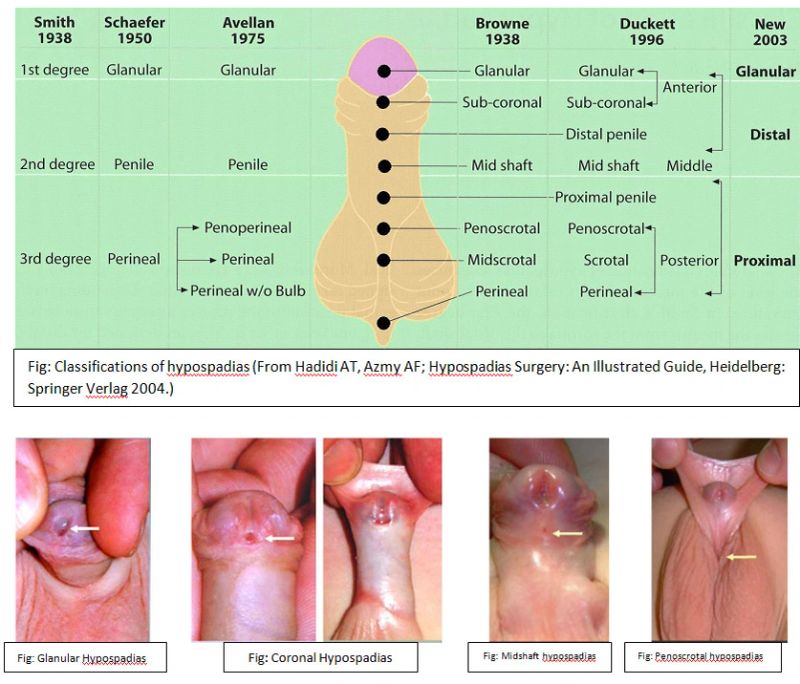
At Bijapur Kidney Foundation, we understand that children require a specialized touch. Paediatric Endo-Urology focuses on treating urinary and kidney problems in infants and children using advanced, "keyhole" or "no-cut" endoscopic techniques tailored specifically for smaller bodies.
Specialized Care for Children
Traditional surgery can be intimidating for both parents and children. Our endo-urological approach replaces large incisions with ultra-fine, miniature scopes, ensuring a much gentler experience.
Miniaturized Technology: We use specialized, small-diameter instruments designed specifically for the delicate anatomy of children.
Common Conditions Treated: We successfully manage kidney stones (using Mini-PCNL or RIRS), urinary tract obstructions (PUJ obstruction), and congenital bladder issues.
Minimal Discomfort: By avoiding large cuts, children experience significantly less post-operative pain and require fewer medications.
Faster Healing: Most children are back to their playful selves within a few days, with a much shorter hospital stay.
Zero Scarring: Since procedures are performed through natural passages or tiny "keyhole" entries, there is little to no visible scarring.
7. Male Infertility & Impotence treatment
At Bijapur Kidney Foundation, we understand that issues regarding fertility and sexual health are deeply personal and can be emotionally challenging. Under the guidance of our expert urologists, we offer a discreet, professional, and science-backed approach to help men regain their reproductive health and confidence.
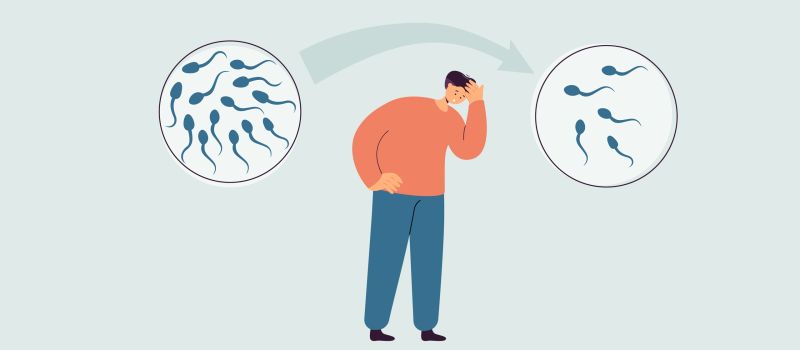
Comprehensive Male Infertility TreatmentMale infertility is often treatable once the root cause is identified. We provide advanced diagnostic and therapeutic services to help couples achieve their dream of parenthood.
- Precision Diagnostics: Detailed semen analysis, hormonal profiling, and scrotal ultrasounds to identify issues like low sperm count (oligospermia) or zero sperm count (azoospermia).
- Varicocele Repair: Microsurgical correction of enlarged veins in the scrotum, which is one of the most common reversible causes of male infertility.
- Advanced Sperm Retrieval: For complex cases, we offer specialized procedures such as PESA (Percutaneous Epididymal Sperm Aspiration) and TESE (Testicular Sperm Extraction) to retrieve viable sperm for assisted reproduction.
- Hormonal Therapy: Customized medical treatments to correct imbalances that may be affecting sperm production or quality.
Impotence is a common medical condition that can stem from physical or psychological factors. Our goal is to provide effective, long-term solutions that improve your quality of life.
- Holistic Evaluation: We assess underlying causes such as diabetes, hypertension, or stress to provide a comprehensive treatment plan.
- Medical Management: Access to the latest oral medications and therapies designed to improve blood flow and performance safely.
- Penile Doppler Ultrasound: A specialized diagnostic tool used to evaluate blood flow within the penis to ensure an accurate diagnosis.
- Penile Prosthesis & Advanced Options: For cases where medication is not effective, our surgical team is experienced in advanced reconstructive options and implants.
8. Uro-oncology
At Bijapur Kidney Foundation, our Uro-Oncology department is dedicated to the comprehensive diagnosis and treatment of cancers affecting the urinary tract and male reproductive system. Combining surgical mastery with the latest medical protocols, we provide a beacon of hope for patients fighting complex malignancies.
Comprehensive Cancer CareWe specialize in the surgical and medical management of various urological cancers, including:
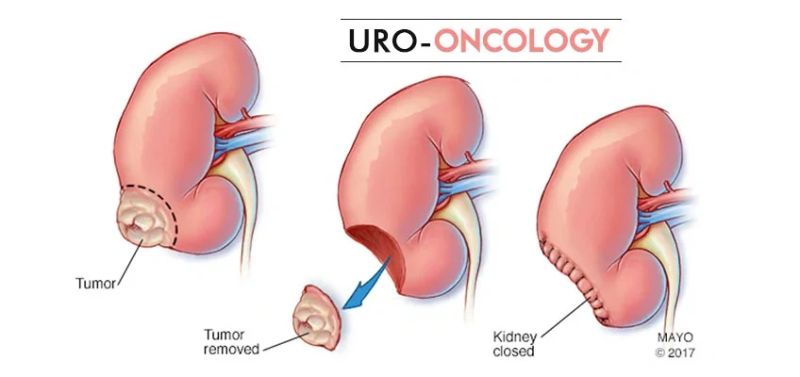
- Kidney Cancer: Specialized in nephron-sparing surgeries (removing the tumor while saving the kidney).
- Prostate Cancer: Precision management and surgical intervention to ensure long-term health and quality of life.
- Bladder Cancer: Advanced endoscopic and reconstructive procedures.
- Testicular & Penile Cancers: Focused treatments aimed at complete cure and functional preservation.
9. Reconstruction urology
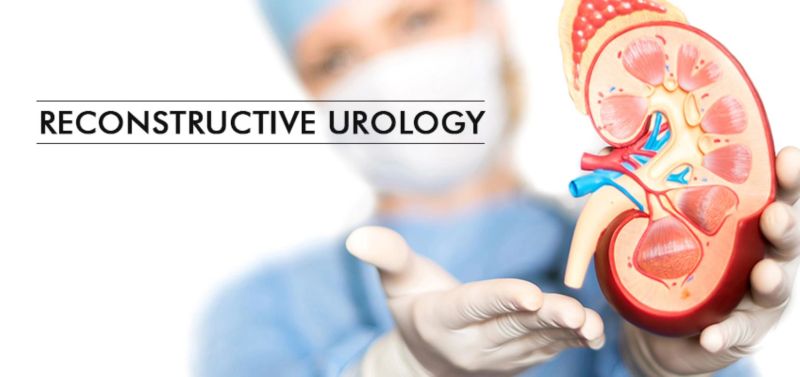
Receive tailored treatment plans designed by our expert nephrologists to suit yReconstructive Urology is a specialized field dedicated to repairing or rerouting the urinary tract and reproductive organs. At Bijapur Kidney Foundation, we focus on restoring normal function for patients who have suffered from trauma, injury, birth defects, or complications from previous surgeries.
Comprehensive Solutions for Complex ConditionsOur surgical team excels in correcting structural issues that interfere with the natural flow of urine. Our expertise includes:
- Urethral Stricture Repair: Advanced procedures like Urethroplasty to fix narrowing or scarring in the urinary passage.
- Pyeloplasty: Correcting blockages at the junction of the kidney and ureter (UPJ obstruction) to prevent kidney damage.
- Bladder Reconstruction: Restoring bladder capacity or function for improved control and comfort.
- Congenital Correction: Specialized care for birth-related urological abnormalities in both children and adults.
Reconstructive surgery requires a high level of technical skill and anatomical precision. We combine microsurgical techniques with minimally invasive technology to ensure:
- Permanent Results: We aim to solve the root cause of the problem, reducing the need for repeat procedures.
- Improved Quality of Life: Our goal is to return patients to a life free from catheters, chronic pain, or urinary leakage.
- Expert Oversight: Led by Dr. S. B. Patil, our team handles some of the region's most complex "redoing" surgeries with a high success rate.
our individual needs.
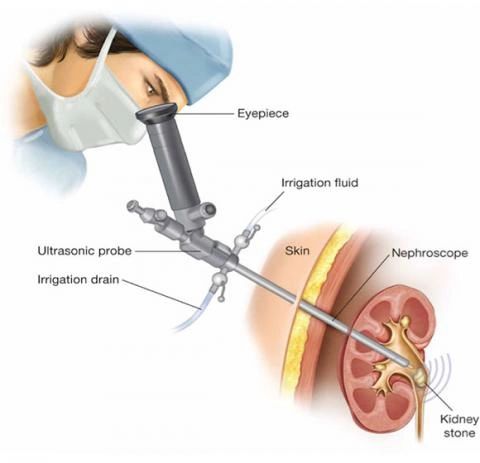
10. Endo urology, PCNL
Endourology represents the pinnacle of modern urological surgery, where complex conditions are treated using minimally invasive techniques. At Bijapur Kidney Foundation, we utilize small cameras and specialized instruments to perform surgeries through the body's natural passages or tiny "keyhole" entries, ensuring maximum precision with minimum discomfort.
1. TURP (Transurethral Resection of the Prostate)- Best For: Enlarged Prostate (BPH).
- The Procedure: A thin scope is passed through the urethra to remove excess prostate tissue obstructing the flow of urine.
- Benefit: No external cuts, immediate improvement in urinary flow, and a quick return to daily activities.
- Best For: Mid and Lower Ureteral Stones.
- The Procedure: A slender ureteroscope is used to locate stones in the ureter. The stones are then fragmented using a laser or pneumatic lithoclast and removed with specialized baskets.
- Benefit: Highly effective for stones that are too dense for shockwave therapy, with zero scarring.
- Best For: Large or Complex Kidney Stones (>2cm).
- The Procedure: A small "keyhole" incision (less than 1 cm) is made in the back to gain direct access to the kidney. Stones are broken down and removed entirely through this tract.
- Benefit: The gold standard for clearing massive or "staghorn" stones in a single sitting, avoiding the need for traditional open surgery.
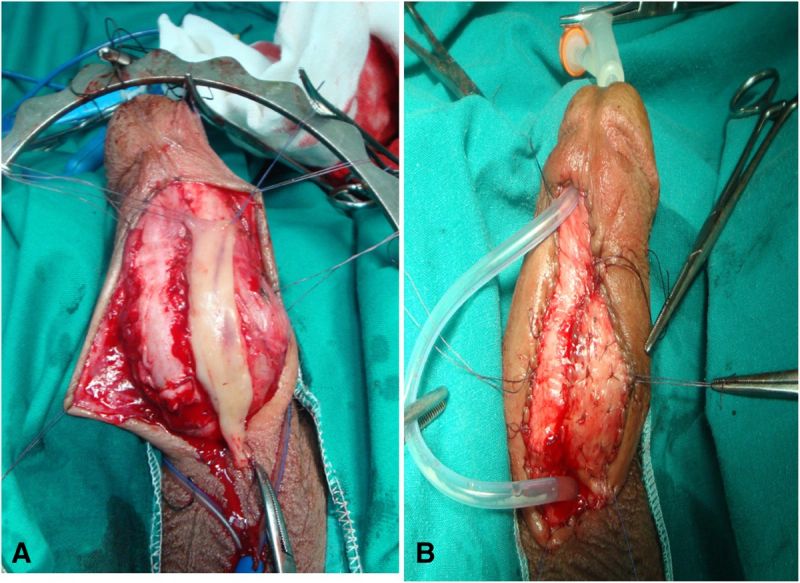
The lining of the inner cheek is considered the "gold standard" substitution tissue for urethral reconstruction because:
- Resilience: It is naturally accustomed to a wet environment (saliva), making it perfectly suited to handle urine.
- Thick Epithelium: The tissue is tough, durable, and easy for the surgeon to handle and sew.
- Excellent Blood Supply: It has a rich, dense capillary network that helps the graft "take" and survive rapidly once transferred to the urethra.
- Inconspicuous Healing: The inside of the mouth heals remarkably fast, usually leaving no long-term functional deficits or visible scars.
1. Harvesting the Graft: Step 1.
While the patient is under general anesthesia, the surgeon carefully measures and marks a section of tissue on the inner cheek, ensuring they stay safely away from the Stensen's duct (the main salivary gland opening). The tissue patch is harvested, and the donor site in the mouth is either closed with rapidly dissolving stitches or left open to heal naturally on its own.
2. Graft Preparation (Defatting): Step 2.
The harvested tissue is meticulously prepped outside the body. The surgeon trims away any underlying submucosal fat or muscle tissue, leaving a clean, thin, and highly vascular mucosal membrane ready for transplantation.
3.Urethral Reconstruction:Step 3.
The surgeon makes an incision to access the narrowed segment of the urethra. The scarred, strictured area is opened up, and the buccal mucosal graft is sutured onto the area as an onlay patch (dorsal or ventral) to permanently expand the diameter of the urinary passage.
Key Clinical Outcomes & Recovery- Success Rate: BMG urethroplasty boasts an exceptionally high long-term success rate (typically 85% to 95%), significantly outperforming simple dilations or visual internal urethrotomies (VIU) for long strictures.
- Hospital Stay: Patients are generally discharged within 1 to 3 days.
- Catheter Management: A urinary catheter is left in place for approximately 2 to 3 weeks to allow the newly grafted tissue to completely heal and secure its new blood supply before a voiding cystourethrogram (VCUG) X-ray is performed to confirm a patent, leak-free repair.
- Mouth Recovery: Oral discomfort is usually manageable with liquid diets and medicated mouthwashes, resolving entirely within 1 to 2 weeks.
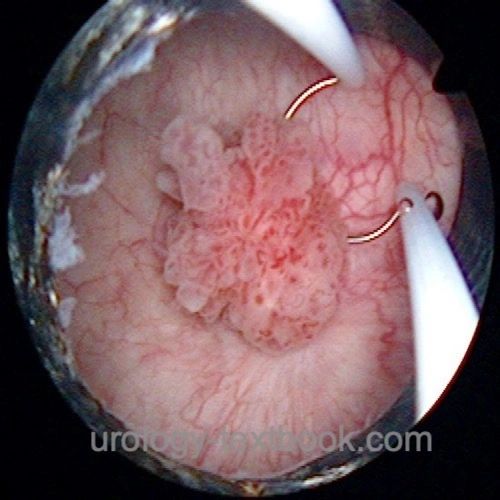
Transurethral Resection of a Bladder Tumor
- How it Works: Under general or spinal anesthesia, the urologist inserts a specialized lighted scope called a resectoscope through the urethra and into the bladder. The scope features a wire loop that uses a high-frequency electrical current to cleanly cut away the tumor and seal surrounding blood vessels to prevent bleeding.
- Dual Purpose:
- Treatment: It completely removes visible surface tumors from the inner lining of the bladder wall.
- Diagnosis: The removed tissue is sent to a laboratory (biopsy) to determine the exact type, grade, and depth of the cancer cells, which guides all future treatment decisions.
- Post-Op Recovery:
- A urinary catheter is typically left in place for 1–2 days to continuously flush the bladder and prevent blood clots from forming.
- Most patients go home the next day or can even have it done as a same-day outpatient procedure.
- Mild burning during urination or light blood in the urine is common and expected for a few weeks following the surgery.